


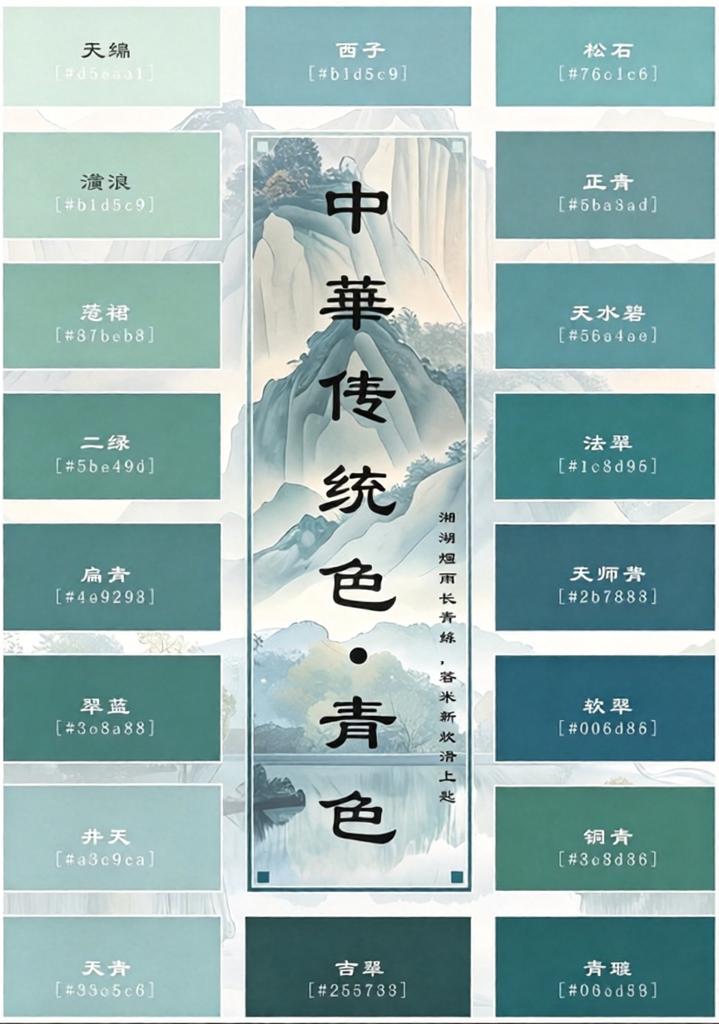

What is Ru porcelain?

Natural opening
Each piece features a unique crackle pattern.

Smooth and warm as jade
Smooth and delicate, feeling like jade to the touch

Agate in glaze
Inheriting the classic Ru kiln glazing technique

High-temperature kiln firing
Forged in the flames at 1350°C

Original source mineral material
Raw mineral materials originating from Ruzhou

Handcrafted with Care
No two Ru ware pieces are exactly alike
Begin your first exploration of Ru ware here.


傳頌汝瓷
Small Round Ru Kiln Cup | Celadon Glaze · Natural Crackle with Cicada-Wing Pattern · Agate-Infused Glaze · Spur-Fired · Tea Cup · Personal Tea Cup · Ru Kiln
US$36
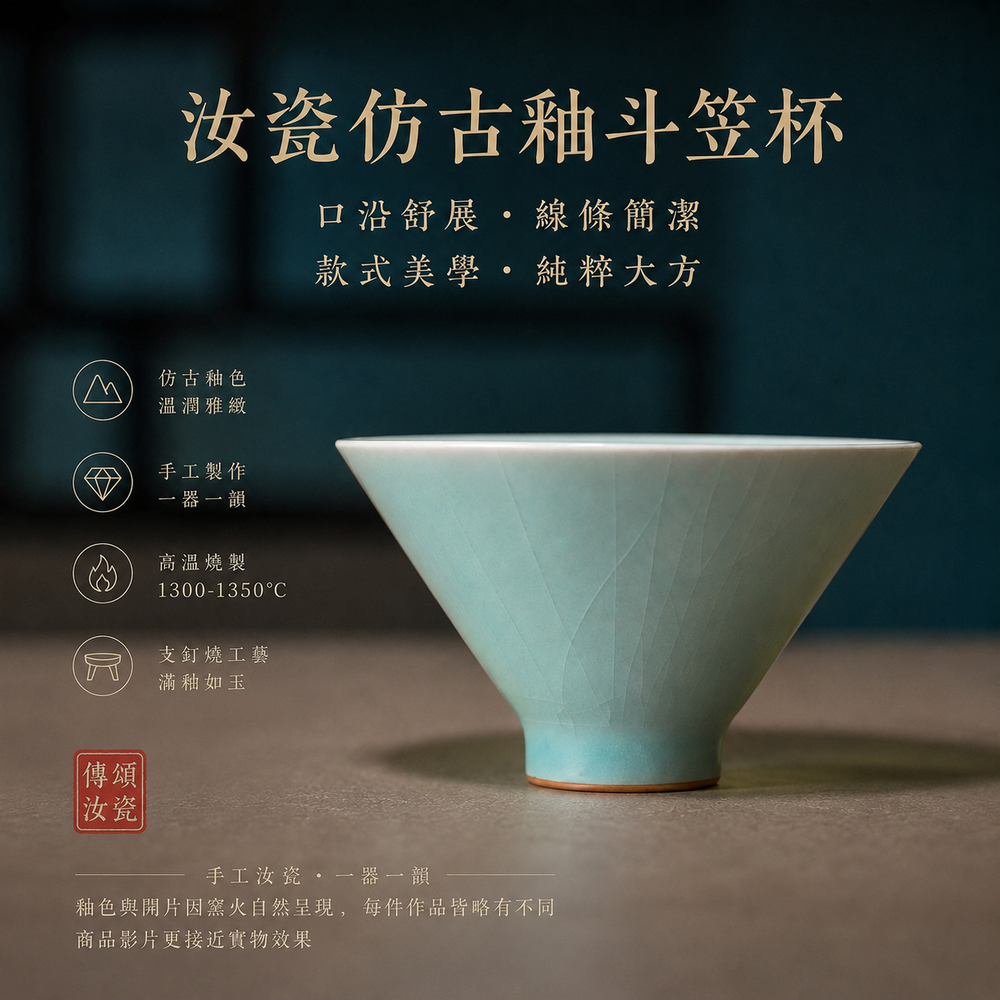
傳頌汝瓷
Conical Hat Cup | Antique-Style Glaze · Spur-Fired · Natural Crackle · Agate-Infused Glaze · Personal Tea Cup · Gongfu Tea Set · Teacup · Ru Kiln
US$50
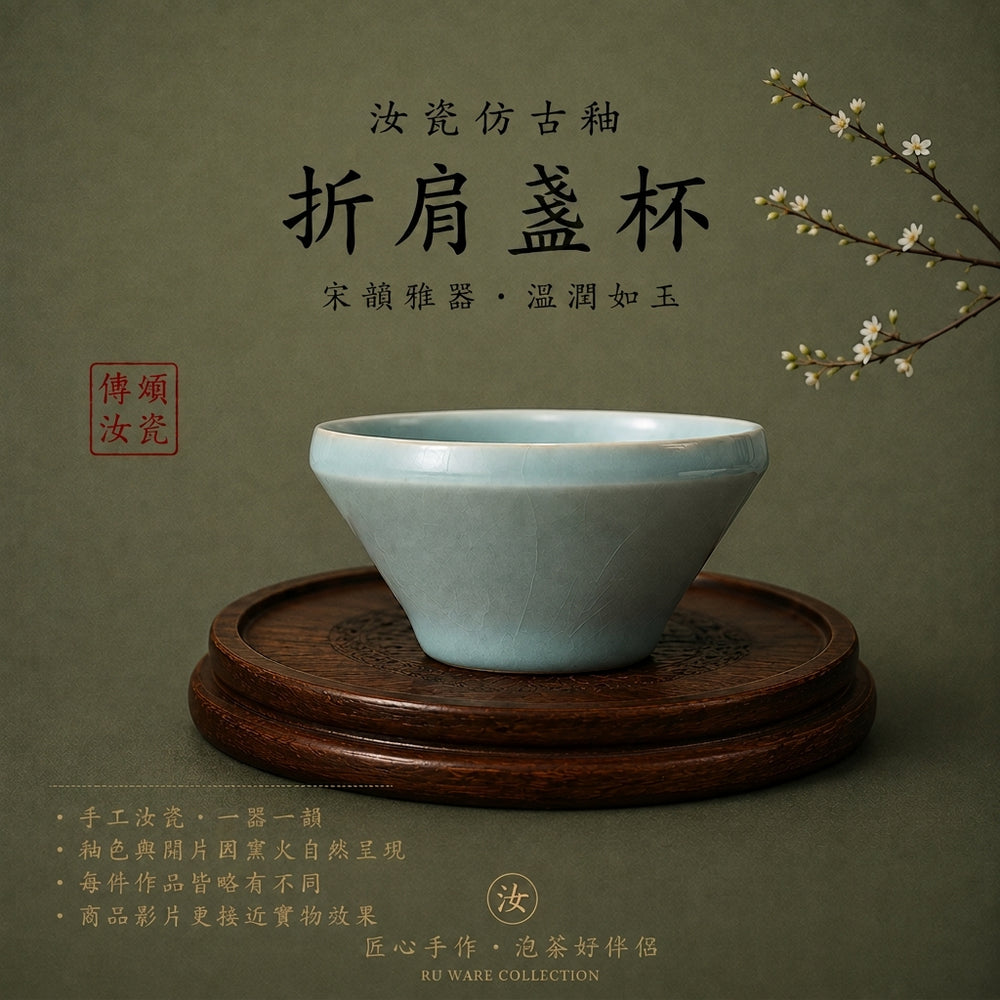
傳頌汝瓷
Folded-Shoulder Cup | Antique-Style Glaze · Natural Crackle · Agate-In-Glaze · Pin-Firing · Handcrafted Host Cup · Tea Cup · Ru Ware
US$50
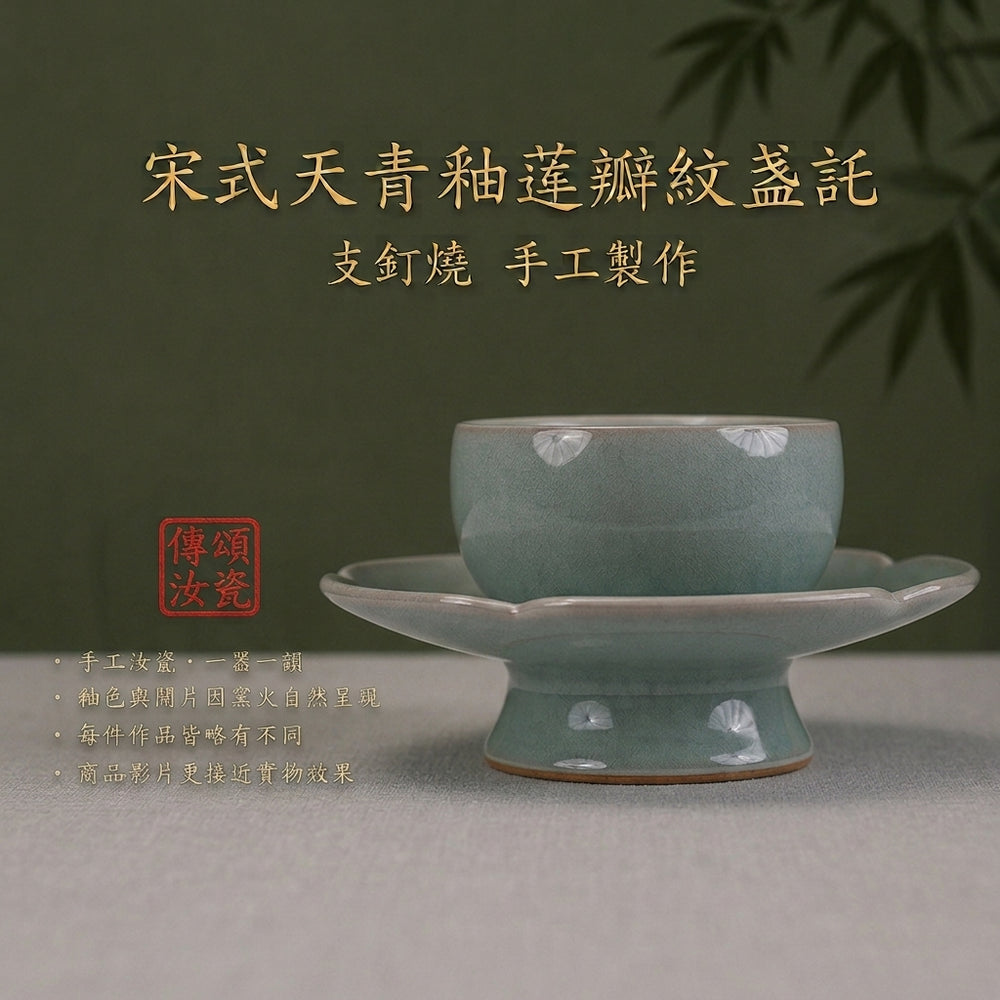
傳頌汝瓷
Song-Style Lotus-Petal Teacup and Saucer | Celadon Blue · Spur-Fired · Natural Crackle Glaze · Agate-Infused Glaze · Teacup · Tasting Cup · Ru Ware
US$90

傳頌汝瓷
Sancai Ma Ti Gaiwan | Antique-Style Glaze · Shizhu Kiln Firing · Natural Crackle · Agate-Inlaid Glaze · Handcrafted Teaware · Teapot · Ru Ware
US$120

傳頌汝瓷
Stone Ladle Teapot | Sky Blue · Spur-Marked Firing · Agate-Infused Glaze · Natural Crackle · Teapot · Gongfu Tea Set · Ru Ware
US$135

傳頌汝瓷
Yuhuchun Bottle | Masterpiece Passed Down Through Generations · Natural Crackle · Agate-Inlaid Glaze · Handcrafted Elegant Vessel · Song Dynasty Classic · Vase · Ru Ware
US$202

傳頌汝瓷
Qin Quan Teapot and Cup Set, One Teapot and Six Cups | Natural Crackle Glaze, Celadon Color, Agate-in-Glaze, Stilt-Firing, Handcrafted Teaware, Ru Ware
US$310

傳頌汝瓷
Lotus Flower Fruit Platter | Antique-Style Glaze · Natural Crackle · Agate-In-Glaze · Fully Glazed With Pricked Supports · Song Dynasty-Style Tea Trayware · Ru Ware
US$53
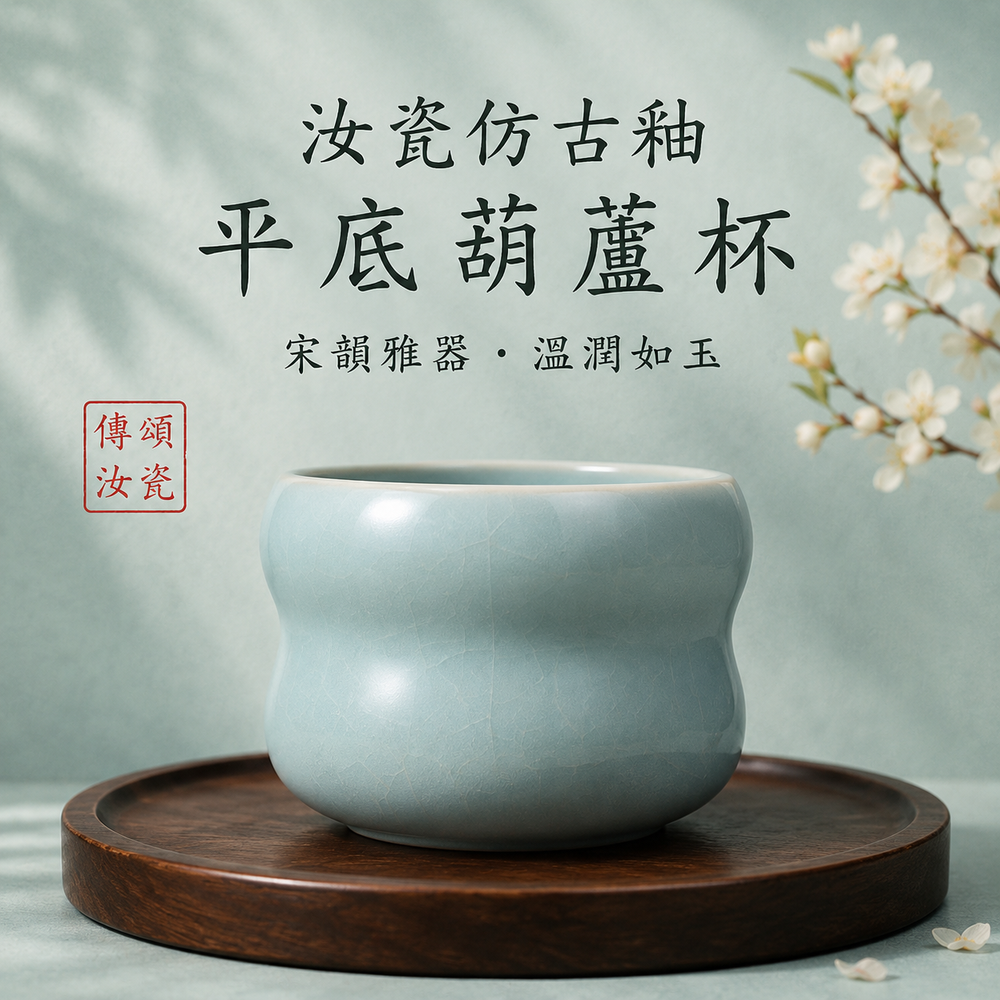
傳頌汝瓷
Flat-Bottom Gourd Cup | Antique-Style Glaze · Agate-in-Glaze · Stilt-Firing · Natural Crackle · Teacup · Handcrafted Host Cup · Tea Tasting Cup · Ru Ware Style
US$50
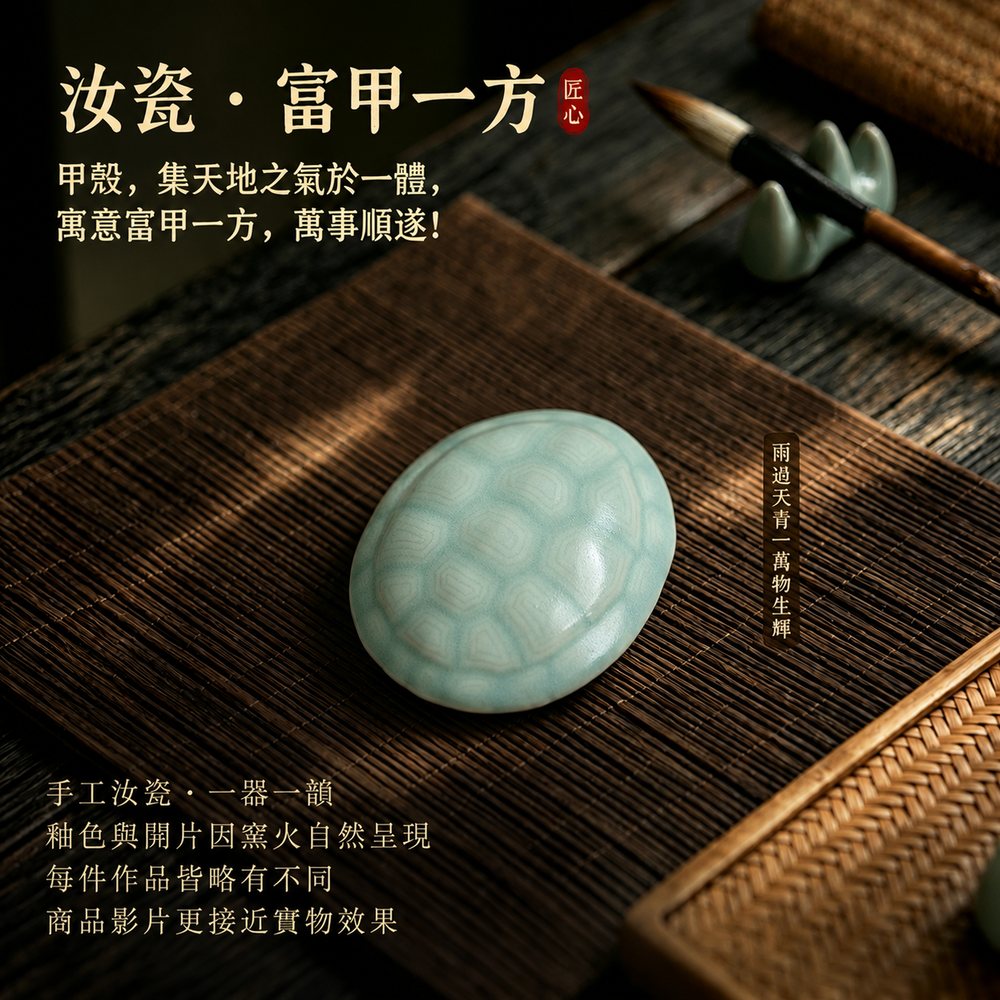
傳頌汝瓷
Wealthy Beyond Measure Tortoise Shell | Antique-Style Glaze · Natural Crackle · Novelty Collectible · Display Piece · Ru Ware · Curio Ornament · Tea Tray Tea Pet
US$75

傳頌汝瓷
Lotus Bowl | Masterpiece · Antique-Style Glaze · Natural Crackle · Prong-Set Firing · Agate-Infused Glaze · Handcrafted Ru-Ware Vessel · Ru Kiln
US$120



Our Brand Story
For over thirty years, the artisans of Chuan Song Ru Ci, spanning two generations, have researched more than 300 formulas and conducted over 1,500 kiln-firing experiments. Finally, in July 1988, they identified the optimal formula from a wide range of minerals and successfully fired their first four pieces of celadon. Thus, the celadon Ru ware that had been lost for over 800 years was reborn.
As a Ru ware brand dedicated to preserving traditional Eastern aesthetics while pursuing innovation, we have carried on this legacy through three generations, blending modern design with Song Dynasty aesthetics to create contemporary lifestyle objects that combine artistry with practicality.
In 2020, the work won the German IF Design Award for Packaging; in 2021, it won the German Red Dot Design Award; in 2023, as a representative brand of China's Intangible Cultural Heritage, it was exhibited at the Louvre Museum in France.
National Intangible Cultural Heritage
Ru ware celadon originated in the mid-Tang Dynasty and reached its peak in the late Northern Song Dynasty. The production of Ru ware celadon lasted approximately twenty years (from 1086 to 1106) and was primarily made for the imperial family. Only about 67 pieces of Ru ware celadon survive today. There is a widely known saying in China: "A fortune of ten thousand pieces of gold is not worth a single piece of Ru ware," highlighting its extreme rarity and value.
-
1

Mining: First, select highly plastic clay from Ruzhou and transport it to a drying yard for air-drying. Next, crush the clay at the raw material processing site and thoroughly mix it with an appropriate amount of water. After mixing, the fine clay slurry flows into the settling tank with the water.
-
2

Glaze preparation: The raw materials for Ru kiln celadon glaze are mostly coarse minerals with high hardness. They are usually crushed in a mortar first, then placed in a jar and stirred evenly. Various fine raw materials need to be stored separately, removed of moisture, dried, and cleared of impur
-
3

Clay Kneading Process: Mature raw clay is removed from the clay storage area and placed in the clay yard. Next, an appropriate amount of clay is placed on a workbench, where artisans knead and press it layer by layer by hand to remove air. Finally, the evenly mixed clay is shaped into a trapezoidal
-
4

Initial Firing: Ru kiln celadon is made using a double-firing method. First, the unglazed ware is bisque-fired, then glazed and fired a second time. Bisque-firing refers to drying the piece made of raw clay and placing it in the kiln for the first firing. The firing temperature is approximately 800
-
5

Glazing: First, pour the glaze into a large vat and thoroughly stir it by hand to check its fineness and consistency. Then, apply the glaze to the bisque-fired body using the dipping or spraying method. After glazing, artisans use bamboo knives or brushes to smooth out imperfections such as glaze dr
-
6

Firing: Wood is used as fuel. After placing the products in the kiln, the fuel is ignited, and the temperature is gradually increased. This process includes several stages: moisture removal, oxidation, reduction, heat soaking, flame-out, cooling, and unloading. The firing temperature for Song Dynast


Ru Ware Celadon in Major Museums Around the World
The number of extant Ru ware celadon pieces is extremely small, with only about 67 known. These Ru ware celadon pieces are mainly distributed among the following museums:
National Palace Museum, Taipei: 21 pieces
Palace Museum, Beijing: 17 pieces
British Museum: 17 pieces
Tokyo National Museum: 1 piece
Osaka City Museum of Oriental Ceramics: 1 piece
Metropolitan Museum of Art, New York: 1 piece


Follow us on Instagram!


