



High-temperature firing
Tempered by the Kiln Fire, Giving Rise to the Charm of Celadon
The beauty of Ru porcelain lies not only in its jade-like glaze, but also in a transformation brought about by clay, glaze, and kiln fire working together.
From shaping to emerging from the kiln, each piece of Ru porcelain undergoes a complex and meticulous firing process. In the intense heat of the kiln, the glaze melts, flows, and cools, ultimately developing the distinctive color and texture of Ru porcelain. Beneath its seemingly serene celadon surface lies the result of countless changes in the kiln fire.
At High Temperatures, the Glaze Finds Its Natural Charm
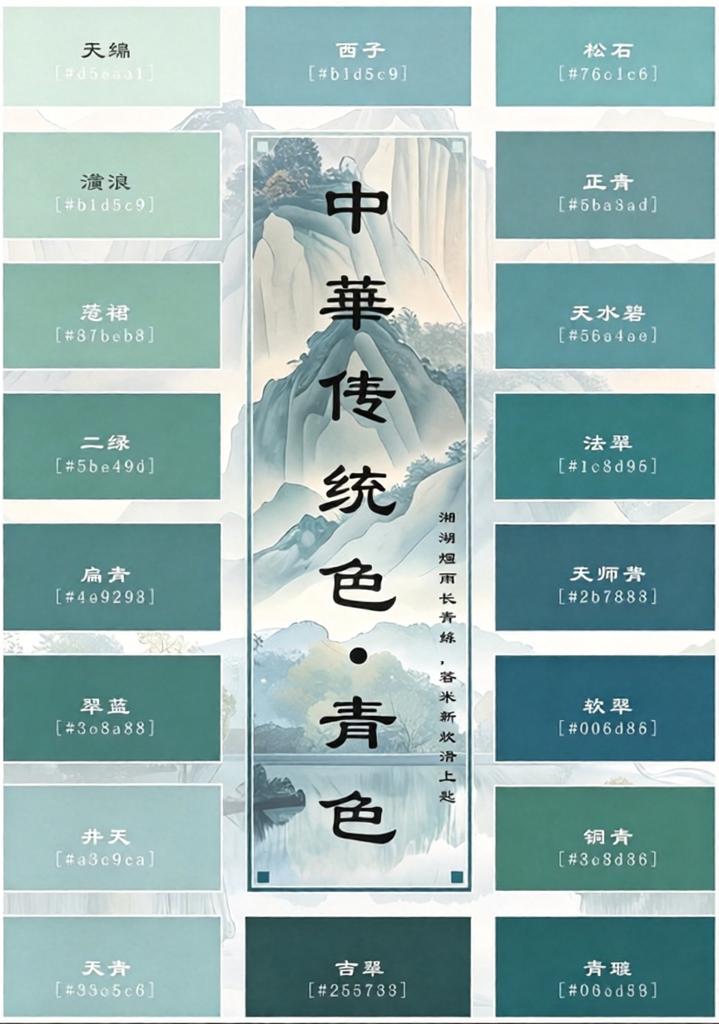
What makes Ru porcelain so captivating is its understated, gentle shade of celadon.
During high-temperature firing, the kiln fire brings about subtle changes in the glaze’s various ingredients, giving the surface its nuanced, soft, and restrained hues. Differences in the firing environment, the piece’s position in the kiln, and temperature fluctuations can all create subtle, distinctive variations.
Every kiln opening, then, is like an encounter whose outcome can never be fully predicted.

Tempered by the Kiln Fire, Bearing a Distinctive Mark
High-temperature firing is not merely the final step in making Ru porcelain—it is the process through which each piece truly comes into being.
Amid fierce flames and intense heat, the clay body gradually hardens, while the glaze transforms from raw to smooth and lustrous. As the temperature changes, the glaze develops subtle variations, eventually taking on a soft, jade-like sheen.
The naturally formed crackle, variations in color, and details on the glaze cannot simply be replicated.
Even with the same shape and glaze, it is difficult to produce two pieces that are exactly alike, even when fired using the same process.
That is the unique charm of Ru porcelain—
every piece bears its own mark from the kiln fire.
Every Piece Has Its Own Character, Forged by the Kiln Fire
From placing the clay body in the kiln, to tempering it at high temperatures, to letting it cool slowly, every stage calls for the artisan’s careful mastery of heat and glaze.
The true beauty of Ru porcelain does not lie in pursuing flawless perfection, but in finding just the right balance between human craftsmanship and the kiln’s natural transformations.
When the kiln door opens, the celadon glaze comes into view—soft, understated, and serene.
It is clay transformed by intense heat,
and a piece brought to life by the artisan and the kiln fire together.
Every piece has its own character; the kiln fire can never be replicated.